Best Wedding Flowers Near St Pauls Cray Venues Guide
Posted on 06/10/2026
Planning wedding flowers near St Pauls Cray venues can feel simple at first, then suddenly a dozen details appear at once: colour palette, season, bouquet style, buttonholes, table arrangements, delivery windows, venue restrictions, and whether the flowers will still look fresh by the time the speeches start. If you are searching for the Best Wedding Flowers Near St Pauls Cray Venues Guide, you are probably not just after pretty blooms. You want flowers that fit the day, suit the venue, and behave properly in real life. Fair enough.
That is exactly what this guide is for. We will look at how to choose wedding flowers for local venues, what styles tend to work best, how to avoid costly mistakes, and how to plan a floral setup that feels elegant without becoming a logistical headache. We will also cover practical buying tips, compliance and best-practice considerations, and a simple checklist you can use before placing an order. Let's keep it useful, not fussy.
One small reality check: the best wedding flowers are rarely the most complicated ones. They are the ones that suit your venue, your timing, and your budget, then arrive looking calm and composed when everything else is running a bit late.
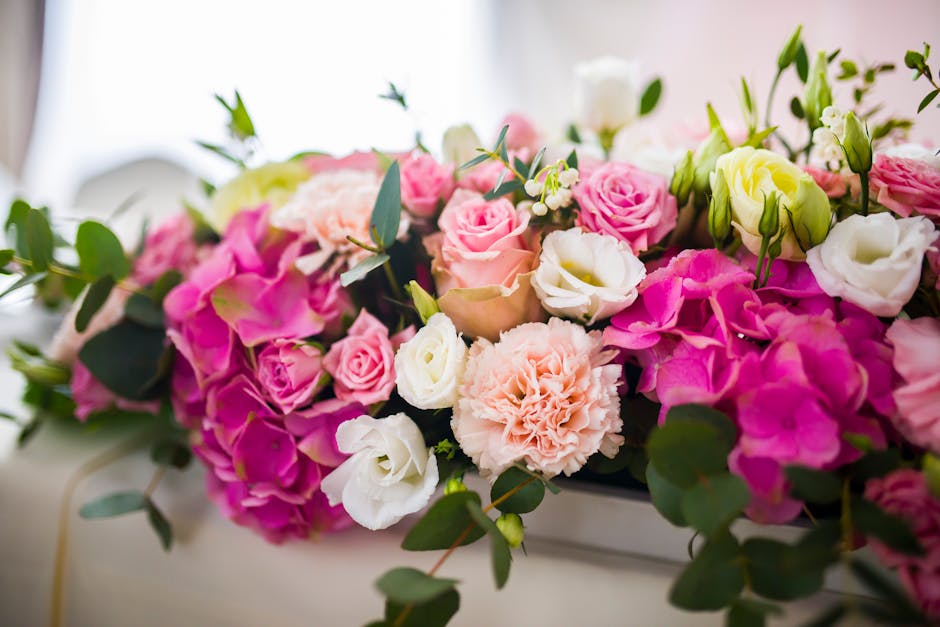
Why Best Wedding Flowers Near St Pauls Cray Venues Guide Matters
Wedding flowers do more than decorate a room. They set the tone as soon as guests walk in. A simple white rose arrangement in a bright hall reads very differently from a soft, loose bouquet of blush and lilac blooms in a candlelit setting. In St Pauls Cray and the surrounding Orpington area, venues can vary a lot in size, lighting, layout, and character, so the floral plan needs to fit the space rather than fight it.
That matters because a flower choice that looks beautiful in a studio photo can feel completely wrong in a real venue. Too tall, and guests cannot see each other across the table. Too scented, and the room can feel overpowering. Too delicate, and the flowers may not hold up through transport and setup. The guide helps you think through those issues before they turn into annoying surprises on the day.
There is also the money side. Wedding flowers can take up a meaningful slice of the budget, especially once you include the bridal bouquet, bridesmaid bouquets, buttonholes, ceremony flowers, and reception table pieces. A local, venue-aware approach helps you spend in the right places. For some couples, that means investing in the bouquet and keeping the table arrangements simpler. For others, it is about a cohesive look across the whole day. Neither is wrong.
And truth be told, the emotional side matters too. Flowers are one of the few wedding details people actually touch, carry, wear, and remember up close. The bouquet in your hands, the flowers on the top table, the buttonhole pinned by a slightly nervous best man five minutes before the ceremony - those little moments stay with people. Funny how something so temporary can feel so permanent in memory.
How Best Wedding Flowers Near St Pauls Cray Venues Guide Works
The basic process is straightforward, but the quality comes from the decisions inside it. You begin with the venue, then the wedding style, then the flower palette, and finally the practical details such as quantities, delivery timing, and installation. If you reverse that order and pick flowers first, you may end up forcing the venue to fit the flowers. That can be a bit backwards.
Here is the usual flow when planning floral arrangements for a wedding near St Pauls Cray venues:
- Look at the venue first. Consider ceiling height, table shapes, natural light, room colour, and whether the space feels formal, rustic, modern, or traditional.
- Choose a colour direction. This does not need to be exact from day one. It may just be "soft whites and greens" or "warm autumn tones".
- Pick the key floral roles. Bouquet, bridesmaid bouquets, buttonholes, ceremony focal point, table arrangements, and any extras.
- Match flower types to season and setting. Some blooms travel well, some are better for luxury focal points, and some are simply more forgiving in warmer rooms.
- Confirm delivery and setup timing. Fresh flowers need sensible handling. The less back-and-forth, the better.
- Build a backup plan. If a particular flower is unavailable, a good florist should suggest an elegant substitute without derailing the design.
A practical example: a spring wedding in a bright local venue might use white and pale pink roses, lisianthus, and soft greenery in the bouquet, with simpler table arrangements to keep the look airy. The same couple in a winter venue could lean into richer tones, more structured shapes, and slightly fuller arrangements to suit the season and indoor light.
For couples wanting a coordinated wedding range, it can help to work from a central collection rather than piecing everything together one item at a time. A dedicated wedding line such as wedding flowers and collections gives you a more joined-up starting point. If you know you want something specifically bouquet-led, the bridal bouquet selection is often the best first stop.
Key Benefits and Practical Advantages
The biggest benefit of a good wedding flower plan is confidence. You stop second-guessing every choice because the flowers are doing a clear job: supporting the venue, tying the look together, and staying within budget. Sounds basic, but it makes a huge difference on the day.
- Better venue harmony. Flowers that suit the room feel intentional, not just decorative.
- Less stress on the wedding morning. Clear delivery and setup timing reduces panic, which is always welcome.
- More visual consistency. Bouquets, buttonholes, table pieces, and ceremony flowers all speak the same design language.
- Smarter budget use. You can choose where to go fuller and where to keep things simple.
- Improved freshness and handling. Florists who understand local delivery logistics tend to plan better for transport and presentation.
- Better photos. The camera loves balanced colour, tidy proportions, and flowers that still look alive at 3pm, not just 9am.
There is also a subtle practical benefit that couples often overlook: flowers influence how a venue feels to move through. Low arrangements make it easy for guests to chat across the table. A fuller ceremony spray can help frame the aisle without blocking the registrar or celebrant. Buttonholes and corsages create a small but neat sense of belonging. It all adds up.
If you are balancing beauty with value, it may be useful to browse more economical choices too, especially for guest tables or smaller arrangements. A local range like budget-friendly flowers can help stretch the overall wedding spend while keeping the style clean. No shame in that. Actually, it is often the sensible move.
Who This Is For and When It Makes Sense
This guide is for anyone planning a wedding near St Pauls Cray who wants flowers to feel polished without becoming a second full-time job. That includes couples booking a venue for the first time, families helping with arrangements, and planners who need a clear local reference point for style and logistics.
It makes especially good sense if:
- your venue has limited setup time or strict access windows
- you want flowers that suit an indoor reception rather than a generic bridal look
- you need to coordinate multiple items, such as bouquets, buttonholes, and table arrangements
- you want to keep things seasonal and avoid overcomplicating the order
- you are working around a budget and want to prioritise the right pieces
It is also useful if you are the sort of person who knows the venue, knows the dress, and still feels a bit unsure about whether peonies, roses, lisianthus, or orchids make the most sense. Truth be told, that's normal. Most couples are not floral designers. They just want the day to look good and feel like them.
For weddings with mixed floral needs - say, bridal flowers plus reception styling plus a few matching wearable items - it helps to view the wedding as one connected set. The table arrangement options can be especially useful if your venue has guest tables that need a softer finish without overpowering centrepieces.
Step-by-Step Guidance
Here is a practical way to plan wedding flowers near St Pauls Cray venues without spiralling into choice overload.
1. Start with the venue layout
Walk through the ceremony room and reception space, even if only in your head at first. Where will the bouquet be carried? Where will the registrar stand? How many tables need flowers? Is the room airy and bright, or more intimate and low-lit? These details influence what kind of arrangements will work best.
2. Fix the core style
Decide on the emotional feel before the flower list. Romantic, classic, modern, seasonal, soft, luxury, minimal, or colourful - that gives the florist a clearer brief than "nice flowers please." A good brief is like a good satnav direction: the fewer detours, the better.
3. Choose bouquet and bridal party pieces together
The bridal bouquet usually sets the tone. Bridesmaid bouquets should support it rather than compete. If the main bouquet is full and trailing, the bridesmaids may need something smaller and cleaner. If the main bouquet is simple and structured, keep the supporting pieces tidy too. That visual balance matters more than people think.
4. Add buttonholes and wearable flowers
Buttonholes, corsages, and wrist flowers should not feel like afterthoughts. They are tiny, yes, but they appear in close-up photos constantly. If you want a cohesive wedding, make sure these pieces share the same language as the bouquets and table designs.
5. Map the ceremony and reception flowers
This is where venue-specific planning really pays off. A ceremony arrangement may need to frame a backdrop or entrance. Reception flowers should suit table sizes and guest sightlines. If your tables are round and close together, very large pieces can start to feel awkward fast.
6. Confirm logistics and timing
Ask when flowers will be prepared, delivered, and placed. Check whether the florist handles setup or only delivery. Confirm who will move flowers between ceremony and reception if needed. These are the boring bits, but they matter more than the ribbon colour, honestly.
7. Build in a small flexibility margin
Fresh flowers are natural products, so slight variation is part of the experience. Good florists plan around this. The best orders allow for similar-looking substitutes if a bloom is unavailable. That way the design stays intact even if the exact stem list changes a little.
If you want a place to begin with bridal pieces and the broader wedding range, the dedicated bridesmaid bouquet options and buttonholes are worth reviewing alongside the main bouquet. It is easier to coordinate everything when the design family is already visible.
Expert Tips for Better Results
Here are the bits that usually separate a decent flower order from a genuinely polished one.
- Use the venue's light to your advantage. Pale tones look especially fresh in bright rooms, while richer shades can feel warmer in darker spaces.
- Keep the bouquet size realistic. Bigger is not always better. A bouquet should be balanced in the bride's hands, not require upper-body training.
- Choose at least one durable flower. Roses, chrysanthemums in the right setting, alstroemeria, lisianthus, and orchids are often used because they tend to hold up well when handled properly.
- Do not crowd the tables. Guests need space for glasses, plates, favours, and elbows. Yes, elbows. They have a way of appearing at every meal.
- Match scent to setting. A heavy fragrance can be lovely in a small dose, but too much can overwhelm an enclosed room.
- Think in layers. One statement piece at the ceremony, then simpler supporting flowers at the reception, often gives the best value.
A small but useful detail: if your wedding runs from late morning into evening, choose flowers that still photograph well in softer late-day light. You can often tell when a bouquet has been designed with the whole day in mind. It looks calm, not exhausted.
For couples who want something a little more luxurious, the luxury flower selection can provide stronger statement options without needing every element to be oversized. Luxury does not have to shout. Sometimes it just speaks clearly.
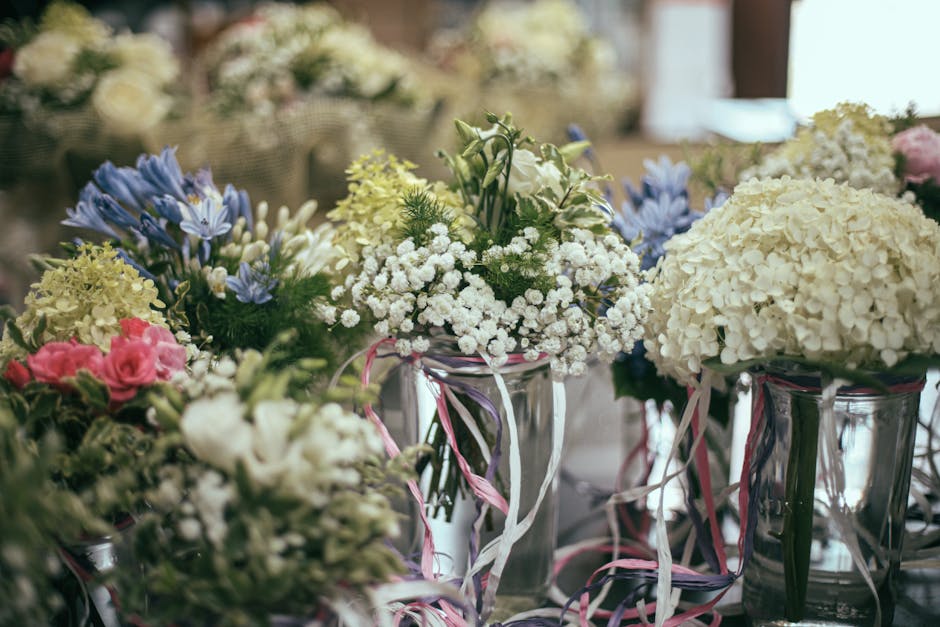
Common Mistakes to Avoid
Most wedding flower regrets come from practical oversights rather than bad taste. The good news? They are avoidable.
- Choosing flowers before the venue plan. This often creates awkward scaling or awkward colours.
- Forgetting the delivery window. A beautiful bouquet is not useful if it arrives before anyone is ready to receive it.
- Over-ordering statement arrangements. One or two focal pieces often have more impact than too many competing designs.
- Ignoring the dress and linen colours. Flowers should complement, not clash.
- Leaving buttonholes and smaller items until the end. These details get noticed more than people expect.
- Not checking venue rules. Some venues have restrictions on confetti, candles, hanging installations, or wet stems on surfaces. Always check first.
Another common slip is assuming every bloom will behave identically on the day. They will not. A florist can guide you toward flowers that suit the season, the room temperature, and the handling involved. That is one reason local knowledge helps so much.
If you are still comparing styles, start with a broader wedding range such as wedding collections, then narrow down to bouquet, table, and wearable pieces. It is easier on the brain. Which, by the way, is useful during wedding planning.
Tools, Resources and Recommendations
You do not need fancy software to plan wedding flowers well. A simple, organised approach tends to beat endless mood-board chaos. Still, a few practical tools help.
- Venue photos. Take pictures of the ceremony room, tables, entrance, and any floral focal points you want to decorate.
- Colour swatches. Fabric samples from the dress, bridesmaid outfits, or table linens help a florist see how tones interact.
- Guest list and table plan. This tells you how many centrepieces or small arrangements you may need.
- Seasonal flower preference list. Rank your favourites so you know what matters most if substitutions are needed.
- Delivery notes. Keep access instructions, contact names, and venue timing in one place.
For flower care after delivery, a helpful guide on flower care can be useful if you are receiving arrangements in advance or need to keep blooms fresh for a long setup day. It is a simple page, but those little reminders can save a lot of wilt-related worry.
If the wedding order needs to work alongside other gifting or family purchases, it can also help to understand the shop's broader range and service promise. Pages such as about us, guarantees, and delivery information give extra reassurance before you commit. That trust signal matters, especially for a once-in-a-lifetime order.
Law, Compliance, Standards, or Best Practice
Wedding flowers are not heavily regulated in the way some industries are, but a few best-practice points still matter. If you are booking flowers for a venue, check the venue's own rules on deliveries, access, floral foam, candles, hanging pieces, and any materials that may damage surfaces. These are venue policies rather than universal laws, so they can vary quite a bit.
If you are using a florist for a paid service, sensible consumer expectations apply: clear descriptions, transparent pricing, delivery terms, refund handling, and an agreed order summary. It is always worth reading the florist's terms and conditions before paying, especially if you need a date-specific order for a wedding.
Fresh flowers are also perishable goods, so communication is key. If you have allergies, pet concerns, venue constraints, or cultural preferences, say so early. A good florist will usually know how to work around those needs. For example, some couples prefer lower-pollen or less fragrant choices in enclosed spaces. That sort of detail is worth raising rather than hoping it sorts itself out. It rarely does.
Best practice also includes responsible sourcing and waste awareness where possible. Many couples now ask how flowers are handled after the event, whether left-over stems can be repurposed, and how packaging is minimised. If that matters to you, review the florist's sustainability notes and ask practical questions. No need for a grand environmental speech; just ask how they operate.
Finally, make sure any order details are confirmed in writing. Date, venue, collection or delivery, flower types, quantities, and any substitutes should all be clear. A wedding day is not the place for fuzzy assumptions.
Options, Methods, or Comparison Table
There is more than one good way to plan wedding flowers. The best choice depends on your budget, venue, and how hands-on you want to be. Here is a simple comparison to help you decide.
| Approach | Best For | Strengths | Trade-Offs |
|---|---|---|---|
| Full custom floral design | Couples wanting a tailored look across the whole venue | Highly cohesive, venue-matched, premium feel | Usually takes more planning time and budget |
| Collection-based wedding range | Couples who want strong style with less decision fatigue | Easy coordination, simpler ordering, reliable visual matching | Less room for every tiny detail to be bespoke |
| Focused bouquet-first approach | Smaller weddings or tighter budgets | Puts money where it is most visible, keeps things elegant | Reception may need fewer or simpler flowers |
| Venue-led minimal styling | Bright or already attractive venues | Cost-effective, clean, low fuss | Needs careful restraint so it still feels special |
For many couples, the sweet spot is somewhere between collection-based and bouquet-first. You get a cohesive look without having to micromanage every stem. That tends to suit real weddings better than an overdesigned spread that looks lovely in theory but exhausting on the day.
If you want a strong starting point, you may also explore focused items like wedding corsages for family members, or a fuller visual package such as a coordinated wedding collection. These options make the planning process feel much less like assembling a puzzle with missing corners.
Case Study or Real-World Example
Here is a realistic example from the kind of wedding planning couples often face near St Pauls Cray. A bride and groom wanted a soft, romantic look for a daytime ceremony followed by a reception in the same venue. They did not want the room packed with flowers, just enough to feel finished and elegant.
Their choices were practical: a classic bridal bouquet, two smaller bridesmaid bouquets, several buttonholes for close family, and modest table arrangements that would not block conversation. They kept to a palette of white, blush, and soft green, which worked well with the venue's natural daylight and cream-toned walls. Nothing flashy. Just clean, calm, and attractive.
What made it work was not the flower count. It was the consistency. The bouquet shape echoed the table arrangements. The buttonholes matched the bouquet tones. The overall effect felt deliberate, even though it was not overly grand. The bride later said the flowers made the room feel "finished" without stealing the show - which, to be fair, is exactly what good wedding flowers should do.
If that style sounds familiar, the related rose-led options such as rose and lisianthus arrangements or a softer bouquet style like a bridal bouquet from the SI range can be a useful place to explore. The point is not to copy the example exactly. It is to borrow the principle: keep the design coherent, venue-aware, and manageable.
Practical Checklist
Use this before you finalise your wedding flower order.
- Have you checked the venue layout and access times?
- Do you know which items you need: bouquet, bridesmaid bouquets, buttonholes, ceremony flowers, table arrangements?
- Is your colour palette clear enough to brief a florist properly?
- Have you considered seasonality and likely flower availability?
- Do the flowers suit the dress, linens, and overall theme?
- Have you confirmed delivery details and who will receive the flowers?
- Do you need setup support, or just delivery?
- Have you asked about substitutions if a bloom is unavailable?
- Does the venue have any restrictions on arrangements or materials?
- Have you allowed a little budget flexibility for final tweaks?
Quick summary: start with the venue, decide the style, choose the bouquet, then build out the supporting flowers. If you keep the order of decisions sensible, the whole thing gets much easier. Not effortless. Just easier, which is usually what people actually need.
Conclusion
The best wedding flowers near St Pauls Cray venues are the ones that feel right for the room, the timing, and the couple. That may sound obvious, but it is where so many plans go off-track. A beautiful flower choice can still be the wrong choice if it does not suit the setting or the logistics.
So keep the venue in view, make the bouquet the anchor, and use the rest of the flowers to support the atmosphere rather than crowd it. Work with clear timing, sensible quantities, and a palette that feels honest to your day. If you do that, the flowers will not just look lovely in photographs - they will help the whole wedding feel more complete, more settled, and more yours.
If you are ready to move from ideas to action, take one last look at the wedding range, compare a few bouquet styles, and choose the pieces that feel steady, not stressful. That is usually the right signal.
Get a free quote today and see how much you can save.
And if you are standing at the start of all this with a notebook in one hand and a slight knot in your stomach, that is completely normal. The good news is the floral side can become one of the most satisfying parts of the plan, one careful choice at a time.
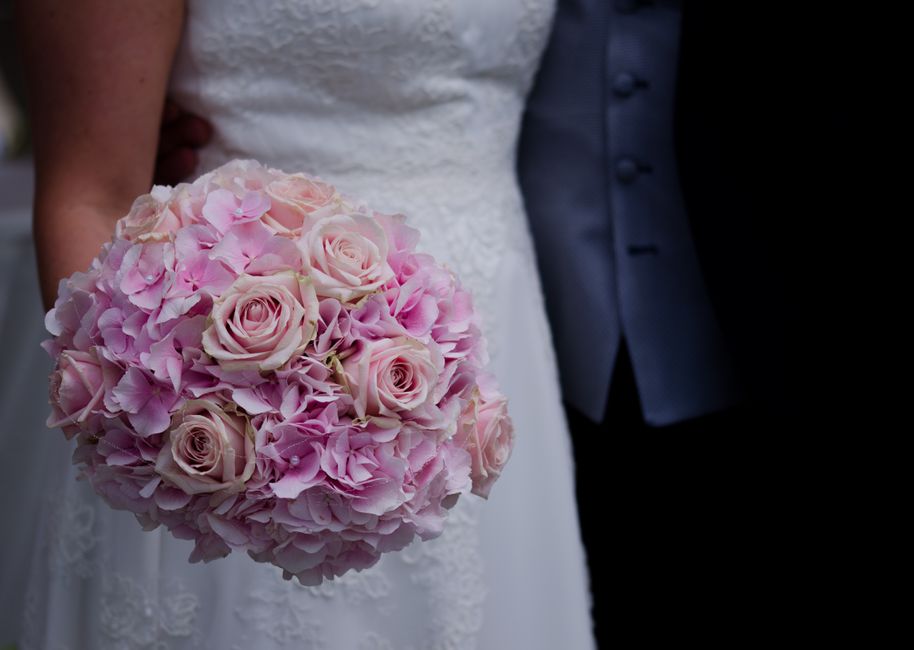
Frequently Asked Questions
What are the best wedding flowers for St Pauls Cray venues?
The best wedding flowers depend on the venue's size, light, and style, but roses, lisianthus, orchids, alstroemeria, and mixed seasonal arrangements are often reliable choices. They tend to photograph well and suit a range of indoor settings.
How far in advance should I order wedding flowers?
It is sensible to start planning several months ahead, especially if you want a specific style or need multiple arrangements. Earlier planning also gives you more time to coordinate with the venue and confirm delivery details.
Should I choose flowers before or after booking the venue?
After booking the venue is usually better. The venue layout, light, and table arrangements strongly influence which flowers and arrangement sizes will work best.
What flowers work well for bridal bouquets?
Roses, lisianthus, orchids, and mixed romantic blooms are common choices because they balance beauty with practicality. The right choice depends on the dress, colour palette, and how full or simple you want the bouquet to feel.
How many buttonholes do I need for a wedding?
That depends on the wedding party and close family. A common approach is to include the couple, best man, ushers, and immediate family members who will be seated prominently or appearing in photos.
Can I keep wedding flowers budget-friendly without looking cheap?
Yes. A smaller number of well-chosen flowers often looks better than too many mixed styles. Focusing on the bouquet and a few key arrangements can create a polished look without overspending.
What should I ask a florist before ordering?
Ask about flower availability, substitution policy, delivery timing, setup support, and what happens if the venue changes access rules. These practical questions help avoid misunderstandings later.
Are artificial flowers a good option for venue weddings?
They can be, especially if you need a keepsake or have timing concerns. That said, many couples still prefer fresh flowers for their scent, texture, and natural finish. It comes down to personal preference and budget.
How do I make sure the flowers match my wedding theme?
Share dress colours, linen samples, venue photos, and any inspiration images with your florist. The more context you provide, the easier it is to create something that feels cohesive rather than loosely related.
Do wedding flowers need special handling on the day?
Yes. Flowers should be delivered and placed carefully, kept away from heat where possible, and handled minimally before the ceremony. Good planning helps them stay fresh and presentable through the full day.
What if a flower I want is unavailable?
That happens sometimes, especially with seasonal blooms. A good florist will suggest a similar alternative that keeps the look and colour balance intact without making the design feel compromised.
Where can I find matching wedding bouquets and table flowers?
Look for a coordinated wedding collection rather than separate pieces chosen in isolation. That makes it easier to match the bouquet, bridesmaid flowers, buttonholes, and table arrangements so the whole day feels consistent.


